How to Cook Spaghetti Noodles

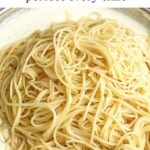

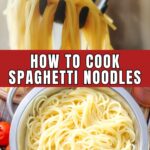
I'm sharing all my secrets for the perfect pot of spaghetti noodles that's not too mushy, not too firm, and doesn't stick together. I swear.
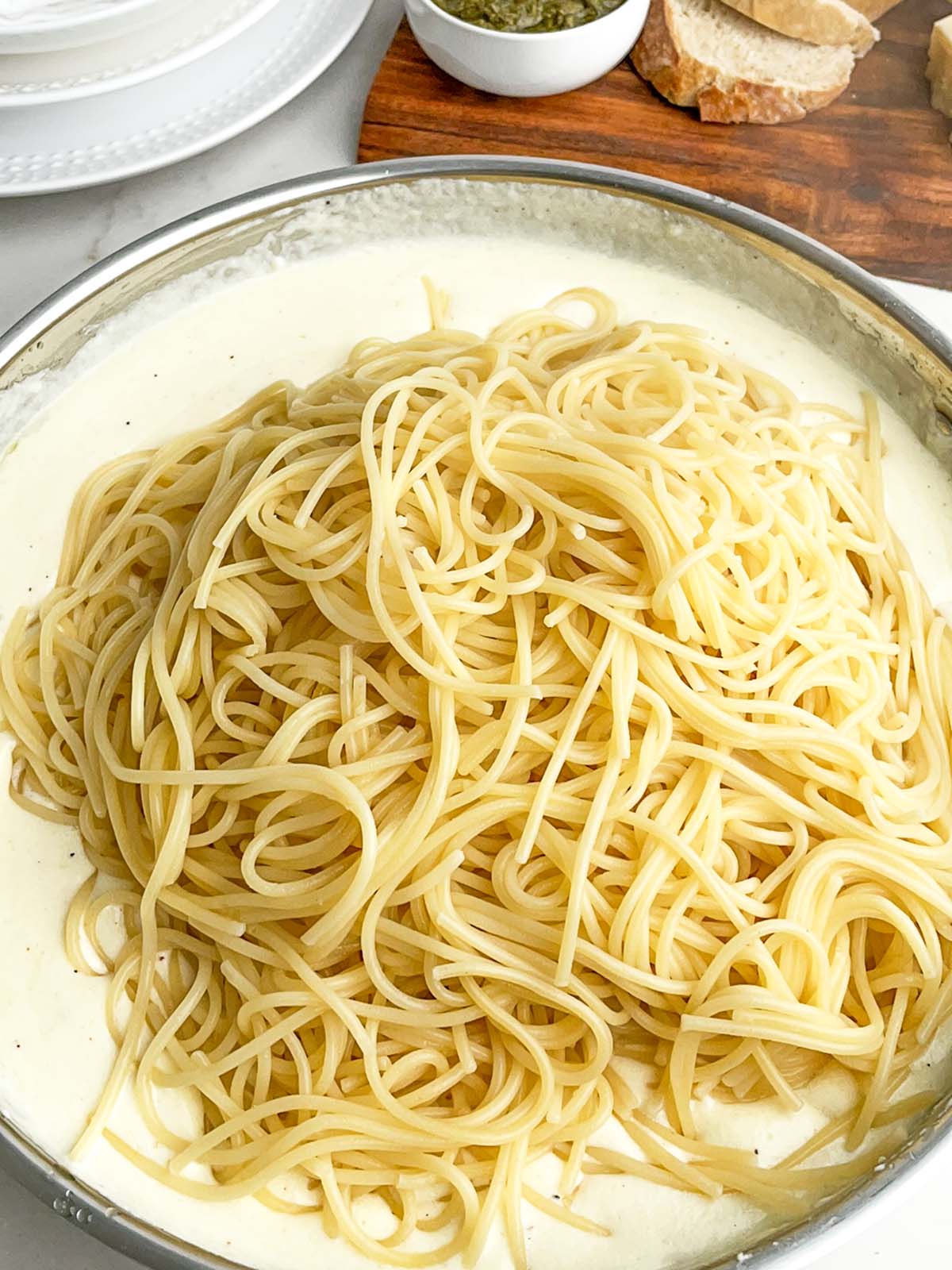
Then toss it with Easy Alfredo Sauce or Creamy Pesto, or serve it with Sundried Tomato Pesto Chicken.
Want to Save This Recipe?
Enter your email & I'll send it to your inbox. Plus, you'll get more FREE recipes and tips from my Midwestern kitchen to yours!
By submitting this form, you consent to receive emails from Midwestern HomeLife
✅Quick Answer: How to Cook Spaghetti Noodles
- Bring 4 quarts of water to a rolling boil in a covered 6- to 8-quart pot.
- Add 1 to 1½ tablespoons of kosher salt, then add the spaghetti. Stir to prevent sticking.
- Cook uncovered until al dente, about 2 minutes less than the package directions. Test a noodle for doneness.
- Reserve 1 to 2 cups of pasta water, then drain the spaghetti without rinsing or adding oil.
Keep reading for tips to get perfect spaghetti every time.
Jump to:
- ✅Quick Answer: How to Cook Spaghetti Noodles
- ♨️How to Cook Spaghetti Noodles: Step-by-step Instructions
- 🤯Did You Know?
- ⌛How Long to Cook Different Types of Spaghetti
- 🍝Tips for Perfect Spaghetti Every Time
- 🥘Common Mistakes When Cooking Spaghetti
- 🧊Make Ahead: How to Store, Reheat & Freeze Spaghetti Noodles
- ❓FAQs
- 🥖What to Serve with Spaghetti
- 😋My Favorite Pasta Recipes
- 💌Let's Stay in Touch
- 📖 Recipe
I always keep a box of spaghetti in the pantry. And after cooking dozens of pounds of pasta for when "there's nothing to eat," drop-in guests, and days when nothing but a comforting, carby dinner will do, I've learned a few tricks for making a perfect pot of spaghetti.
Because even though it's really simple, there are so many ways to get it wrong. It's too mushy. Too firm. Stuck together in a big clump, or just tastes blah.
The box tells you how long to cook the pasta, but it doesn't always answer questions like:
- How much salt do I add to pasta water?
- And, seriously, do I really need salt?
- Should I rinse spaghetti after boiling?
- Should I toss it with olive oil?
- Do I cook the sauce first or the pasta first?
So stay with me, and I'll answer ALL the questions about how to cook the perfect pot of spaghetti noodles. Every. Time.
♨️How to Cook Spaghetti Noodles: Step-by-step Instructions

Step 1: Fill a 6-8 quart pot with 4 quarts of cold water for one pound of spaghetti. Turn stove on high, place a lid on the pot, and bring water to a rolling, rapid boil. Add 1 to 1 ½ tablespoons of kosher salt or sea salt to the boiling water.
Step 2: With tongs, submerge the pasta into the boiling water. Let water come back to a rolling boil, and stir the pasta so it doesn't clump or stick to the bottom of the pan. Keep the lid off of the pot.
Step 3: For al dente spaghetti, boil pasta about two minutes less than the cook time on the package. Carefully remove one piece of pasta and check it for doneness. If it's not mushy, not crunchy, but slightly firm when you bite into it, it's perfectly al dente! If you like it softer, cook it for a bit longer.
Step 4: Carefully ladle 1-2 cups of pasta water from the pot. Use the reserved starchy water to flavor and thicken sauce or loosen up stuck-together pasta.
Step 5: Drain the pasta. Do not rinse it with water. Rinsing will remove the starch, which helps the sauce stick to the pasta. Do not add olive oil before tossing with sauce -- it will just make the noodles slippery and keep the sauce from adhering.
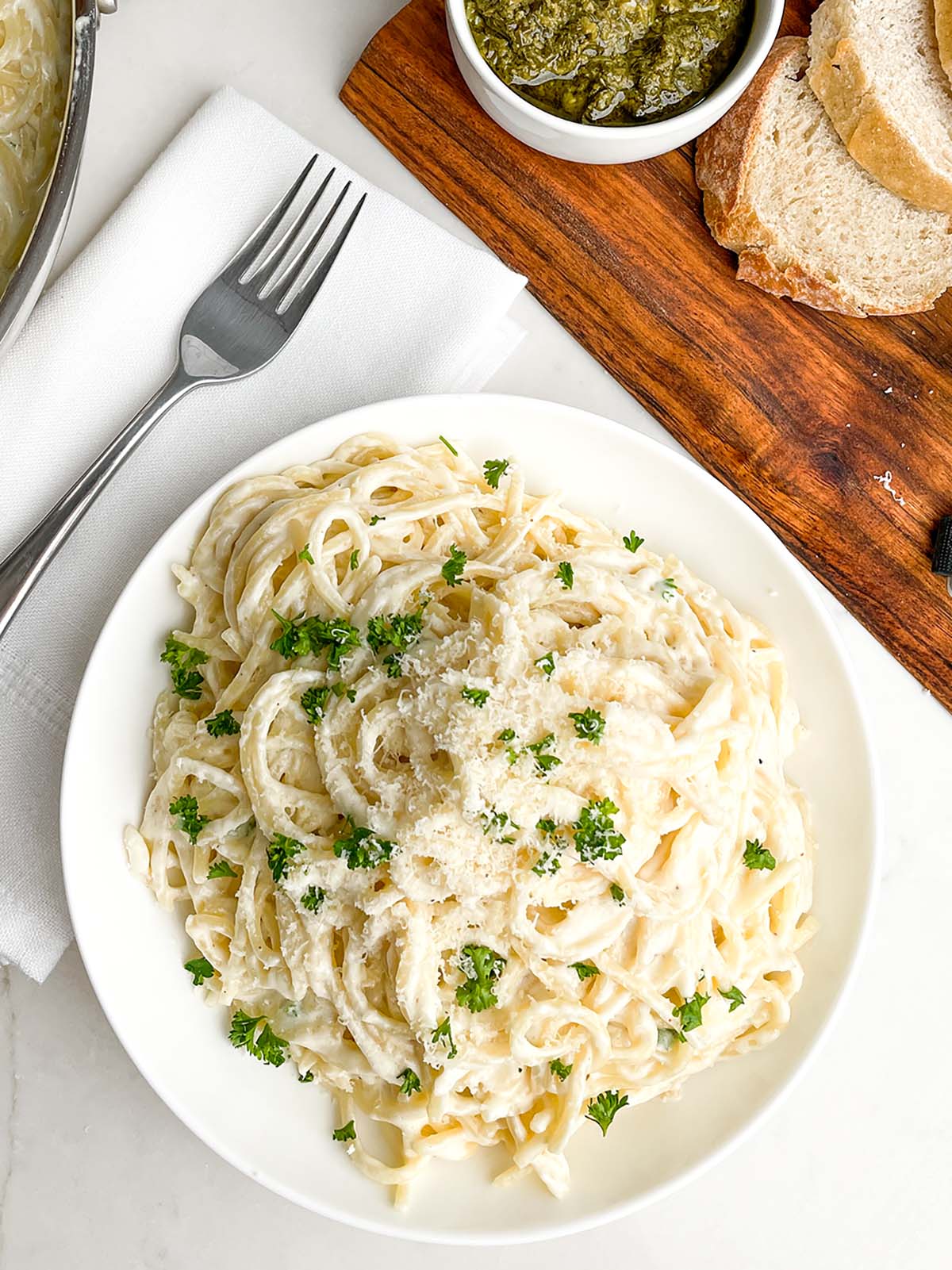
Toss hot pasta with your favorite sauce like this easy Alfredo Sauce or top it with creamy Lemon Herb Chicken. Serve, and enjoy!
🤯Did You Know?
A wooden spoon rested over a pot of boiling water keeps it from boiling over!
⌛How Long to Cook Different Types of Spaghetti
| Al Dente | Softer | |
| Thin Spaghetti | 6-8 min | 8-9 min |
| Regular Spaghetti | 8-10 min | 10-12 min |
| Thick Spaghetti | 9-11 min | 11-13 min |
Cooking times vary by brand and thickness. Use these times as a starting point, then begin checking the pasta 1 to 2 minutes before the package directions for perfectly al dente spaghetti.
🍝Tips for Perfect Spaghetti Every Time
Use a large pot and plenty of water. Cook one pound of spaghetti in a 6- to 8-quart pot with 4 quarts of water so the noodles have room to move around. Stir well during the first minute to prevent sticking.
Salt the water after boiling. Salted water is your only chance to season the pasta. Add 1 to 1½ tablespoons of kosher salt or sea salt after the water reaches a rolling boil. Salt added to cold water will just sink to the bottom and can pit your cookware over time.
Skip the olive oil. Oil won't keep spaghetti from sticking, and can keep sauce from clinging to the noodles. If the pasta sticks after draining, toss it with a little reserved pasta water.
Start checking early. For al dente spaghetti, begin testing about 2 minutes before the package instructions. If you'll finish the pasta in the sauce, remove it another minute early so it doesn't overcook.
Reserve some pasta water. Pasta water is called liquid gold for a reason. It thickens sauces and loosens stuck-together spaghetti. Reserve 1-2 cups before draining.
💡Pro Tip: Set your ladle next to the stove as a reminder to save pasta water before dumping it out (she said from experience).
Do not rinse the pasta. Rinsing washes away the starch that helps sauce cling to the noodles. The only exceptions are when you're making cold pasta salad or stir-fry, where rinsing stops the cooking process and helps prevent mushy pasta.
Cook the sauce first. It is best to toss freshly cooked spaghetti in sauce immediately after the pasta is done cooking. Have the sauce warming while you boil the spaghetti so you can immediately toss your freshly cooked pasta with the sauce.
🥘Common Mistakes When Cooking Spaghetti
Too mushy. Mushy spaghetti is overcooked spaghetti. Chill it and use it in a cold pasta salad or turn it into a pasta frittata.
Too crunchy. It just needs to cook another minute or two. If you've already drained it, boil more water and check it every 30-60 seconds. Or let it simmer gently in sauce with a splash of water until tender.
Stuck together. Toss the noodles with a little reserved pasta water to loosen them. Next time, use a large pot with plenty of water and stir the pasta well during the first minute of cooking.
Bland. Pasta can only be seasoned while it cooks, so don't skip the salt. If it's already cooked and tastes like nothing, boost the flavor with a well-seasoned sauce, Parmesan cheese, or a squeeze of lemon.
Sauce won't stick. Finish the spaghetti in the sauce with a splash of reserved pasta water to help the sauce cling to the noodles. Next time, don't add oil to the pasta water, rinse it, or toss it in oil, then finish it in the pan with the sauce instead of spooning it on top.
🧊Make Ahead: How to Store, Reheat & Freeze Spaghetti Noodles
How to Store Cooked Spaghetti
Let the spaghetti cool slightly, then transfer it to an airtight container and refrigerate for up to 4 days. If you're storing plain spaghetti without sauce, toss it with a tablespoon or two of reserved pasta water before refrigerating to help keep the noodles from drying out.
💡Pro Tip: Save a little extra pasta water in a jar in the refrigerator for reheating leftovers the next day. Freeze any remaining pasta water in ice cube trays to loosen pasta or thicken sauces later.
How to Reheat Spaghetti
Plain spaghetti (or coated with butter or oil). Add a spash of pasta water and reheat in the microwave in 30-second bursts.
Spaghetti with sauce. Add a splash of pasta water and reheat on the stove in a nonstick skillet or saucepan.
Can You Freeze Cooked Spaghetti?
Yes. Cook spaghetti al dente so it doesn't overcook during reheating. Cool completely, then swirl it into nests and transfer to freezer-safe bags or containers. Freeze for up to 2 months. For the best texture, freeze the pasta with sauce whenever possible, since plain spaghetti can become a little softer after thawing.
❓FAQs
A standard serving of spaghetti is 2 ounces, or a bunch the size of a quarter in diameter.
Use cold water for cooking. It'll taste better because hot water from the tap can contain impurities.
Yes. Though there are cold water methods of making pasta, the traditional cooking method I use in this post calls for bringing water to a rolling boil before adding pasta.
A general rule of thumb when cooking spaghetti is to use 4 quarts of cold water for every pound of dry pasta, or one quart of water per four ounces. Pasta needs lots of water to swim around in. If you use less water than this, the spaghetti could stick together. Use cold water for cooking because hot water from the tap can contain impurities.
No. As long as your pasta has plenty of room to move around the pot, I have found this step unnecessary. Also, adding olive oil to pasta can keep your sauce from adhering to it. Even Lidia Bastianich has reportedly said, "Do not - I repeat, do not - add oil to your pasta cooking water! And that's an order!"
🥖What to Serve with Spaghetti
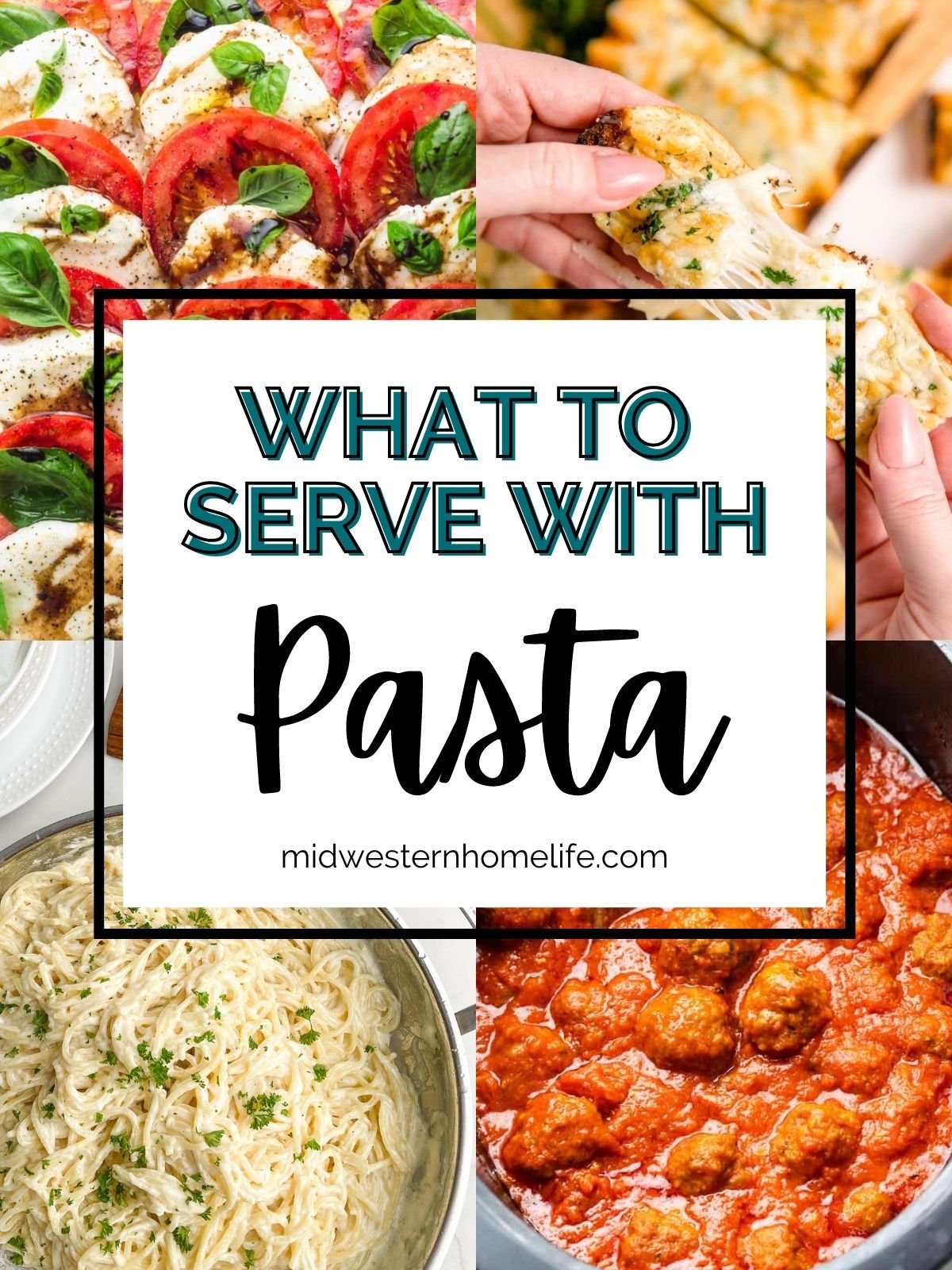
Wondering what else to serve with your favorite pasta recipes? Take a twirl through this round-up to find the best appetizers, salads, sides, and main dishes that will pair perfectly with pasta, like:
- Goat Cheese Croquettes
- Cheesy Garlic Bread
- Burrata Salad
- Baked Portobello Mushrooms
- Slow Cooker Meatballs
- … and more!


💌Let's Stay in Touch
Follow Midwestern HomeLife on Facebook, Instagram, and Pinterest, and subscribe via email to receive all of the latest recipes!
📖 Recipe

How to Cook Spaghetti Noodles
Ingredients
- 1 pound spaghetti
- 4 quarts cold water
- 1 ½ tablespoons kosher salt
Instructions
- Fill a 6-8 quart pot with 4 quarts of cold water. Turn your stove on high, place a lid on the pot, and bring the water to a rolling boil. Add 1 to 1 ½ tablespoons of kosher salt or sea salt to the boiling water.
- Use tongs to submerge the pasta into the boiling water. Let the water come back up to a rolling boil, and stir the pasta so it doesn't clump or stick to the bottom of the pan. Keep the lid off of the pot.
- For al dente spaghetti, boil the pasta about two minutes less than the cook time on the package. Carefully remove one piece of pasta and check it for doneness. If it's not mushy, not crunchy, but slightly firm when you bite into it, it's perfectly al dente! If you like it softer, cook it for a bit longer.
- Before draining the pasta, ladle 1-2 cups of pasta water from the pot. Use the reserved starchy water to flavor and thicken your sauce or loosen up stuck-together pasta.
- Drain the pasta. Toss hot pasta with your favorite sauce. Serve, and enjoy!
Want to Save This Recipe?
Enter your email & I'll send it to your inbox. Plus, you'll get more FREE recipes and tips from my Midwestern kitchen to yours!
By submitting this form, you consent to receive emails from Midwestern HomeLife
Notes
- Use a large pot with plenty of water to keep the spaghetti from sticking together.
- Salt the water after it comes to a boil.
- Check for doneness early. Start two minutes before the package instructions.
- Save some pasta water before draining.
- Do not rinse pasta with water. Rinsing removes the starch, which helps the sauce stick to the pasta.
- Do not coat the noodles in olive oil before adding sauce, it will just make them slippery and keep the sauce from adhering.
- Have the sauce warming while you boil the spaghetti so you can immediately toss your freshly cooked pasta with the sauce.